FROM THE STAGE: AI DELEGATION FOR MANAGERS. EMILY MABIE ON BEING HUMAN WITH THE TIME AI GIVES BACK
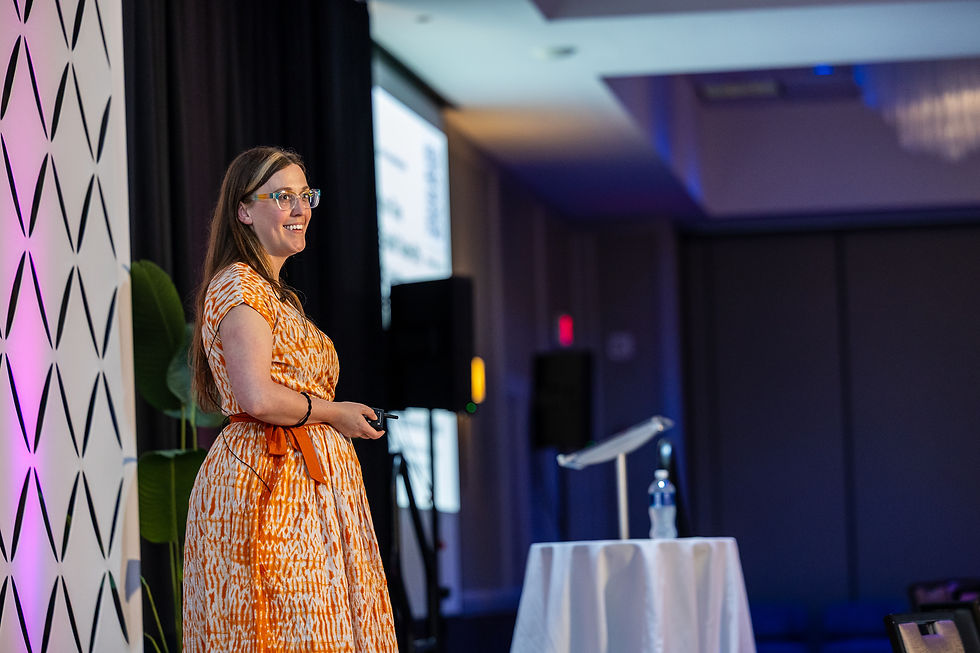
AI delegation for managers works on the same two questions as delegating to a person: how capable is the tool at this task, and how risky is the task if it goes wrong. Emily Mabie brought that model to CultureCon 2026, along with the argument that the point of automation is the time it hands back.
Key takeaways
This is not about tool fluency. The point of automation is being human with the time it gives you back. The tools are the easy part.
Make the implicit priorities explicit. If you don't clarify trade-offs, trade-offs still happen. Everyone just makes up their own.
A good decline can strengthen a relationship. Her AI agent turns a Slack emoji into a no that points to strategy, offers an alternative, and earns a thank-you.
Delegate adaptively, to people and to AI alike, based on two questions: how capable is the person or tool, and how risky is the task?
You can automate the work. You can never automate the accountability.
Start with an automation of one. If it only affects you, mistakes are cheap and it's the perfect proving ground.
Emily Mabie opened her CultureCon 2026 breakout with a disclaimer you don't expect from someone who works at an automation company: she was not there to teach anyone Zapier.
“I'm actually not going to teach you about using Zapier today because that's not the point. The point of this session and the reason it's at CultureCon is because it's about being human with the time AI gives you back.”
Mabie is a Senior Learning Designer specializing in Manager Enablement at Zapier, where she builds programs that help leaders thrive in an increasingly automated workplace, with a background spanning education, product enablement, and AI-powered learning strategy. Her self-introduction was simpler: she goes into companies and works with the people who have been told they're not technical, executive assistants, HR, employee relations, and teaches them AI and automation. In her words, it's just like snapping Legos.
The session, Making Time for the Human, was built around a chain: simplify, automate, and delegate, so the reclaimed hours go back into human connection.
Make the implicit priorities explicit
Before any automation, Mabie's first move is clarity. There's a finite amount of time in the work week, everyone wishes they could do everything, and they can't. Leaders have to be transparent about what gets deprioritized, and model that publicly.
Her mechanism is a fill-in-the-blank she had the whole room complete out loud: our team will prioritize blank above blank.
“Just because you live with an idea in your head and you say it to yourself all day, six, seven times, top priority is shipping that, no one else hears that but you.”
And the warning that landed hardest:
“If you don't clarify those trade-offs, the bad news is trade-offs are still happening. It's just that everyone's making up their own.”
The no that gets a thank you
The centerpiece of the session was an agent she actually uses. Any time she reacts to a Slack request with her “I'll circle back” emoji, the agent reads her team's strategy for the half and drafts a decline that does three things: says no, points to the priorities the no comes from, and redirects the request somewhere it can actually get help.
“It's not just a no. It's a no pointing to my why, my priorities... This is a no that gets a thank you.”
Building it took no code. “It's natural human language. I just opened up an agent and I was like, hey, agent.” And it posts what it deprioritized to her team's channel on purpose, because the second job of the automation is modeling: her team watches their leader decline work gracefully, in public, with reasons.
Start with an automation of one
Her recommended proving ground is an automation that affects nobody but you. Her example: a Friday-morning trigger that builds next week's calendar blocks, including a 6 a.m. block that says do not disturb, I'm working.
“If it makes any mistakes, this is a good learning ground, because it's an automation for one person.”
Turn it on once and it keeps cooking. The stakes stay low while the skill builds.
Delegate adaptively, to people and to AI
Her last framework threads her old job and her current one together: the same delegation model works whether you're managing a team of people or a team of AI agents.
Two questions drive it. How capable is the person or the tool at this task? And how risky is the task if it goes wrong? A newsletter is low risk, in her telling, because only four people read it. Payroll going out is high risk, because a mistake touches everyone.
High capability, low risk: delegate and empower. Go for it, give it your best shot.
High capability, high risk: a teammate with 30 years in the payroll system can run it; AI probably shouldn't.
Lower capability, high risk: collaborate. You keep your hands on it, because the accountability never left.
The line she anchored the whole model to:
“You can always automate your work, but you will never automate away the accountability. You are accountable for whatever AI or automation is doing in your name.”
Fifteen minutes of actually doing it
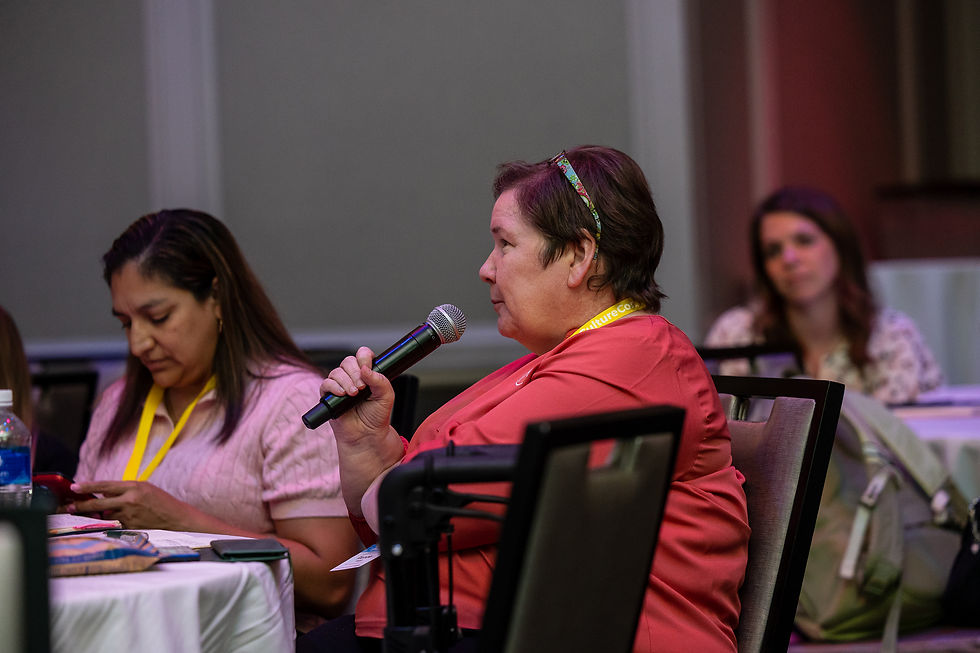
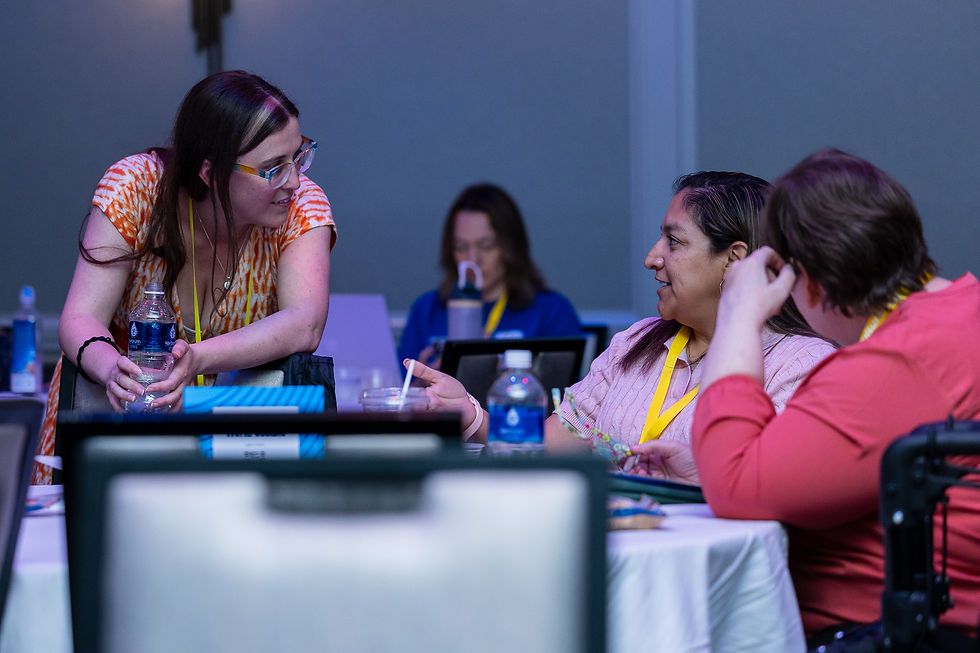
True to the session title, she gave the room working time: pick one thing, set an intention, spend fifteen minutes on it. Audit where your time goes. Draft the priority trade-off. Sketch the automation of one. One attendee shared the plan that got the biggest laugh, auditing her own time management, with a thank-you to Peter, who she's married to.
She closed the way she opened, on the human point. A better decline, a clearer priority, a reclaimed hour: none of it is the goal. The goal is what you do with the time.
Frequently asked questions
Who is Emily Mabie?
Emily Mabie is a Senior Learning Designer specializing in Manager Enablement at Zapier, where she builds future-ready programs that help leaders thrive in an increasingly automated workplace. Her background spans education, product enablement, and AI-powered learning strategy, and her work focuses on scaling human connection rather than replacing it. She spoke at CultureCon 2026 in Madison, Wisconsin, and previously at CultureCon events on AI and the people-first future of work.
What does “make the implicit priorities explicit” mean?
It means saying out loud, and in writing, what your team will prioritize above what. Mabie's point is that unspoken priorities exist only in the leader's head, so team members invent their own trade-offs. The fix is a stated sentence: our team will prioritize X above Y.
Can AI help you say no at work?
Yes, and Mabie demonstrated one she uses: an agent triggered by a Slack emoji that reads her team's strategy and drafts a decline that explains the why and redirects the request. The result is a no that references shared priorities rather than personal preference, which is why it tends to get thanked rather than resented.
How does AI delegation for managers actually work?
Use the same adaptive model you'd use for people: weigh the capability of the tool or person against the risk of the task. High capability and low risk can be fully delegated; high risk tasks stay collaborative regardless of capability, because the manager remains accountable for whatever AI does in their name.
Where should someone start with workplace automation?
With an automation of one: something that affects only you, like auto-building your own calendar blocks. Mistakes are cheap, nobody else is impacted, and it builds the judgment you need before automating anything team-facing.
CultureCon is becoming WorkPossible
In 2027, our tenth year, CultureCon becomes WorkPossible. We've grown out of being just a conference and we needed a name that could keep growing with our expanded services. But despite the name change, culture is still the heartbeat of our organization. That's never going to change.
WorkPossible is the belief that work can be a force for good, and that when people come together with curiosity and purpose, incredible things become possible.
Early bird tickets for WorkPossible 2027 in Madison are available now. Get yours here
Work, made possible by the people who do it.
This recap was written with the help of AI from Emily Mabie's session at CultureCon 2026, then reviewed by our team.


Comments